
Here’s what some of them say about achieving social justice in our city.
There are a whole lot of candidates for city council seats this year. Berkeley doesn’t have primaries, so November is the only chance they have to compete.
Since Berkeley Speaks is a non-profit, we don’t typically endorse candidates. Instead we have asked a number of candidates to speak to two questions that are both visionary and practical. We asked the candidates to reflect on how the ciity can ensure social justice and equity, and secondly on shifting the culture to .promote community inclusion. in government.
Berkeley Speaks hopes this column will help begin a deeper conversation on transformation to a social-justice city.
In that inclusive spirit, we’d be happy to present the thoughts of readers in response to the candidates’ submission., as well as the answers of any additional candidates we did not reach.
Question 1. What will be your concrete strategy to ensure that social justice, equity, and the protection of human rights are the foundation of all programs of Berkeley’s government?
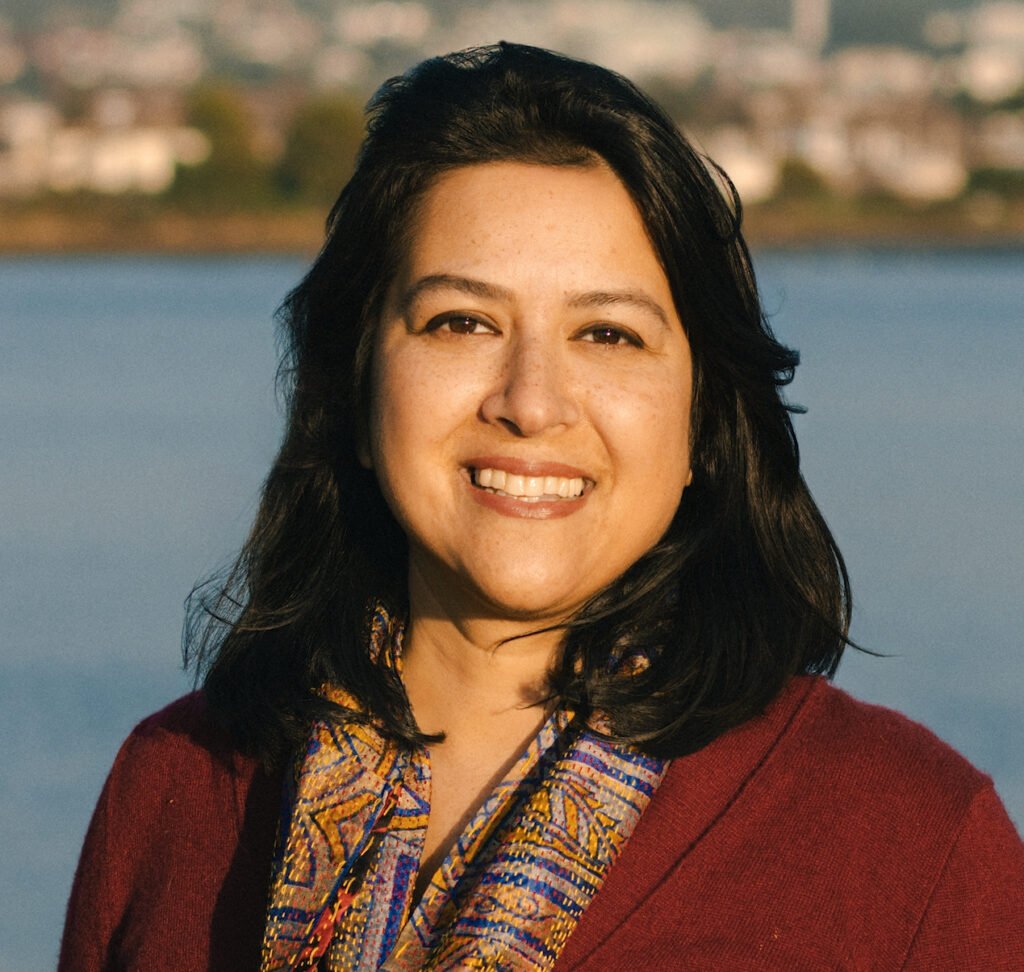
District 1: Moni Gangopadhyay (“Moni G.”), www.MoniForBerkeley.com
“Lead by example, collaborate, and deliver.“
First, if elected, I will continue to actively stand for social justice, equity, and the protection of human rights.
This is true whether the issue is accessibility on high-amenity corridors, housing policy, police accountability, or upholding our Sanctuary City values. Currently, it is of paramount importance to keep our communities safe from mass surveillance.
Second, I will collaborate with community groups and across the Council to advance policies and prevent others in a manner that promotes equity, social justice and human rights. Historical context matters, especially with regard to racial equity in Berkeley. A specific policy I would like to expand on is the Affordable Housing Preference Policy, which can help to correct historical harms by providing wrongfully displaced communities an opportunity to return and strengthen the vibrancy of our city.
Lastly, I will deliver on these goals by proposing new ideas and by being the swing vote that our City can rely on to ensure our policies are consistent with our values.
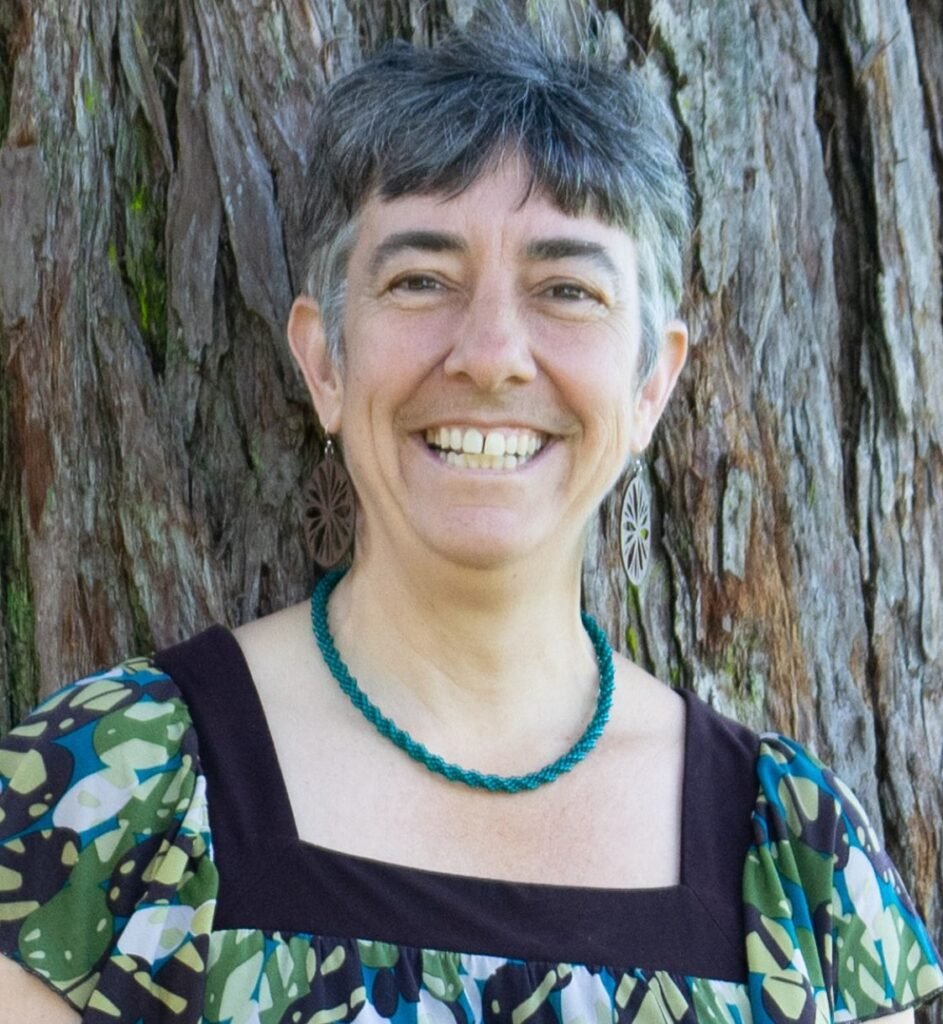
District 1: Daria Wrubel, https://www.dariaforberkeley.com/
“Turn movements into legislation.”
Building power for social justice and equity means building power into Berkeley’s budgets, services, and planning.
My guiding principle as a progressive elected official is to turn movements into legislation. And then bring accountability: establishing measurable equity goals and reports, always be willing to respond to new dynamics, and modify programs as needed for the benefit of our communities.
As council member, my concrete commitment to my constituents is the following: To require that budget and city proposals understand who benefits and who bears the burden. City investments should reduce disparities in housing, health, transit, environmental, and economic opportunity.
City services need to be protected from cuts, and be accessible regardless of income, ethnicity, language, gender, or status. And finally, city contracting should require fair labor with equitable hiring and promotion.
As council member, my concrete commitment to my constituents is the following: To require that budget and city proposals understand who benefits and who bears the burden. City investments should reduce disparities in housing, health, transit, environmental, and economic opportunity. City services need to be protected from cuts, and be accessible regardless of income, ethnicity, language, gender, or status. And finally, city contracting should require fair labor with equitable hiring and promotion.
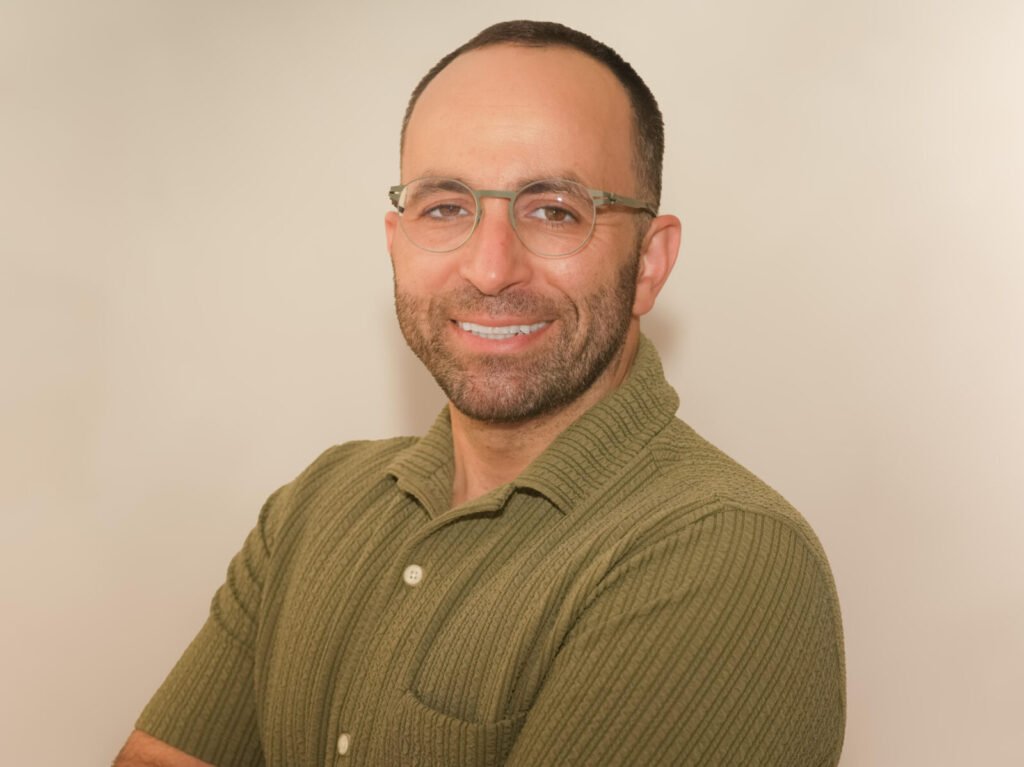
District 4: Majdi Gaith, https://majdiforberkeley.com/
“Equity has to be the starting test for every policy.”
Equity can’t be a feature, it has to be the starting test for every policy.
That means requiring an equity and human rights impact check on major decisions, from budgets to zoning to policing to contracts, before a vote is taken.
It means setting clear, measurable goals for every council member so commitments are tracked, not just talked about. It means directing hiring, contracting, and resources toward longtime Berkeley residents and communities that have been pushed out, especially Black residents, other communities of color, immigrants, seniors and small businesses.
And it means making sure the people most affected are in the room before the plan is set, not just invited to comment after. Progress should be tracked and reported publicly, so residents can see whether promises turn into results.
District 7: Syrak Micael, https://www.syrakforsouthside.com/
“Engage in real co-governance with the progressive, labor, and community organizations.”
Berkeley’s commitment to human rights and social justice both at home and abroad are what make me proud to be born, raised, and educated in this amazing city.
It is deeply disappointing that the current council majority, on so many occasions, has chosen to ignore those values in favor of the status quo.
Ultimately, I think the answer to both these questions is the same thing; to be effective while remaining true to their values, a progressive elected official must engage in real co-governance with the progressive, labor, and community organizations who they represent and are fighting for. As a Councilmember, I intend to pursue accountability, not run from it. To be mutually accountable with community ensures that you will retain your values in the face of institutional pressure to become just another cog in the machine.
The same organizations that are supporting my campaign are the ones who I hope to co-govern with as a Councilmember. The progressive student community, represented by CalYDSA, Cal Dems, Telegraph For People, UAW Region 6 (the union for student academic employees) and the many campus affinity groups that make up the heart of District 7 will anchor my representation of my constituency. The broader Berkeley community, represented by the Berkeley Tenants Union, Wellstone Democratic Renewal Club, SEIU 1021 and many non-endorsing organizations like those that serve the homeless, oppose mass surveillance and police brutality, and fight for a free Palestine will ground me in the needs and values of the city as a whole. And the greater progressive movement in the Bay Area, through East Bay DSA, CA WFP, NUHW, the Alameda County Labor Council, and Our Revolution East Bay will ensure that our fight in Berkeley is part of a larger effort for justice.
District 7: Aidan Hill, https://aidanhill.vote/
“Build a human-rights impact test into every department’s program design and budget process.”
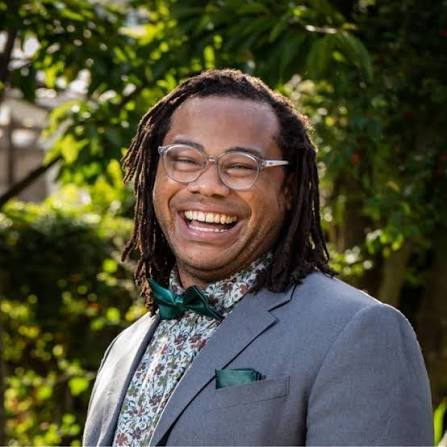
Since moving to Berkeley, I have taken every opportunity I could to speak from the Mario Savio Steps in defense of human rights.
That work led me to People’s Park, where I saw people from every walk of life build and depend on an open space for food, care, protest, and belonging.
I also witnessed actions that I believe violated human rights, followed by what I saw as impunity and a profound lack of accountability.
Those experiences taught me that rights mean little if institutions can ignore the people who bear the consequences of their decisions.
My concrete strategy is to build a human-rights impact test into every department’s program design and budget process, with a public impact section in staff reports for major budget actions, contracts, and land-use decisions. Before the City acts, that record should state who may be displaced, whose access or safety may be restricted, what environmental and public-health harms could follow, what protections and remedies will exist, and which department or official will be responsible. The analysis should be accessible before a vote, not produced after the outcome is fixed. Afterward, the City should report whether promised protections were delivered, provide a clear complaint and remedy process, and correct preventable harm.
Housing stability is part of this work, but human rights extend beyond housing. Climate change is real, and Berkeley is crossed by the Hayward Fault. Protecting people requires preserving mature trees and open land, planning for shade and emergency gathering space, and accounting for earthquake, heat, smoke, and power-outage risks. It also requires accessible services for people who are displaced, disabled, unhoused, or otherwise excluded from ordinary channels of government. Berkeley cannot rely on a multibillion-dollar institution to protect the public while that institution closes public space and removes trees for development. Institutional resources do not replace democratic accountability.
I have served with East Bay Food Not Bombs, helped unhoused residents during the COVID-19 pandemic, and used my service on Berkeley’s Homeless Commission to support emergency outdoor shelter, a sanctuary encampment model, and protections for unhoused residents at heightened risk. When elected, I will bring that integrated approach to the Council: hear from affected people before decisions are made, require transparent reasons and enforceable protections, track results, and create meaningful remedies when government causes or fails to prevent harm. I am ready to pursue justice for the People’s Park community and for people across Berkeley whose rights have too often been treated as secondary to property and institutional power.
District 8: Michael Wallman, http://wallmandistrict8.com/
“Ensure that policy is guided by the lived experiences of our most vulnerable residents.”
Berkeley’s policy on human rights isn’t passive compliance—it treats Title VI non-discrimination standards, sanctuary protections, and our declaration of anti-racism as an active, foundational metric that must govern how we build a healthy society.
Operationalizing this framework requires disaggregated metrics to evaluate community outcomes.
City commissions must define explicit indicators for human impact alongside project goals, using those indicators to shape project objectives that are measured and reported back to the public on an ongoing basis.
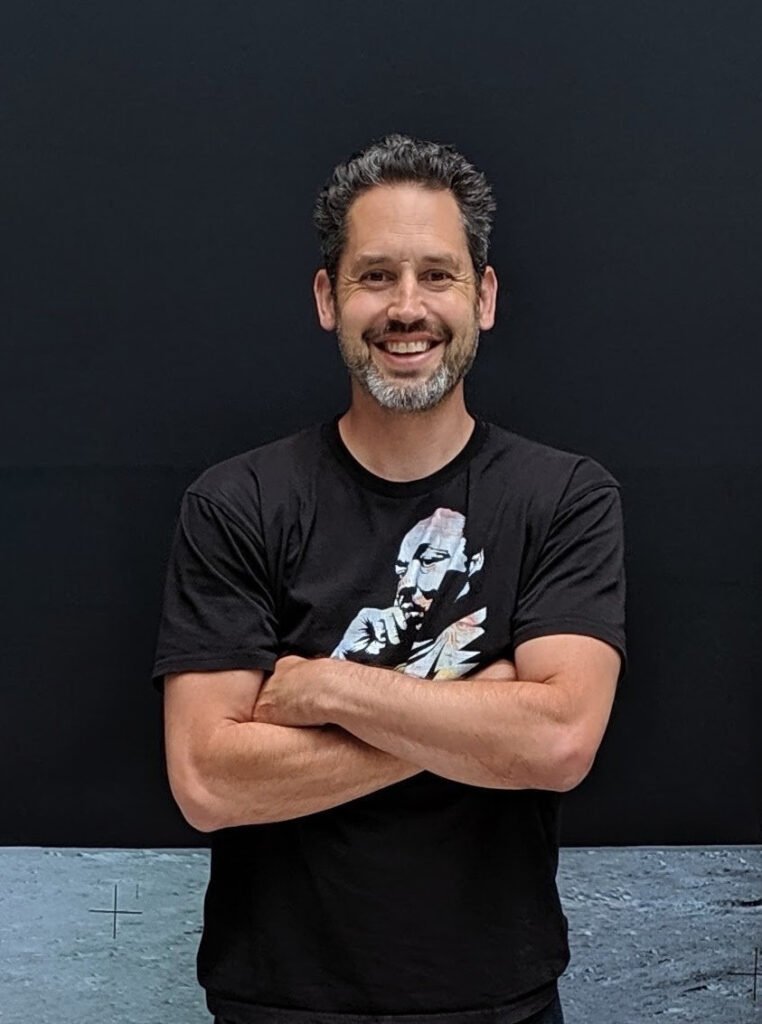
In practice, this means making hard choices, and most importantly, sacrifice. Driven by empathy rather than emotion, it moves us toward taking action based on factual impact and equity—ensuring that policy is guided by the lived experiences of our most vulnerable residents, rather than just the loudest voices in the room.
District 8: Mari Mendonca, electmarimendonca.com
“Leadership has to have the moral fortitude to put the values of humanity first.”
The interesting thing is that this is not a difficult thing to do. All we have to do is do it.
Inequitable structures are embedded systemically in the culture in which we live. From race to class to gender to age, from privilege to access to everything in-between.
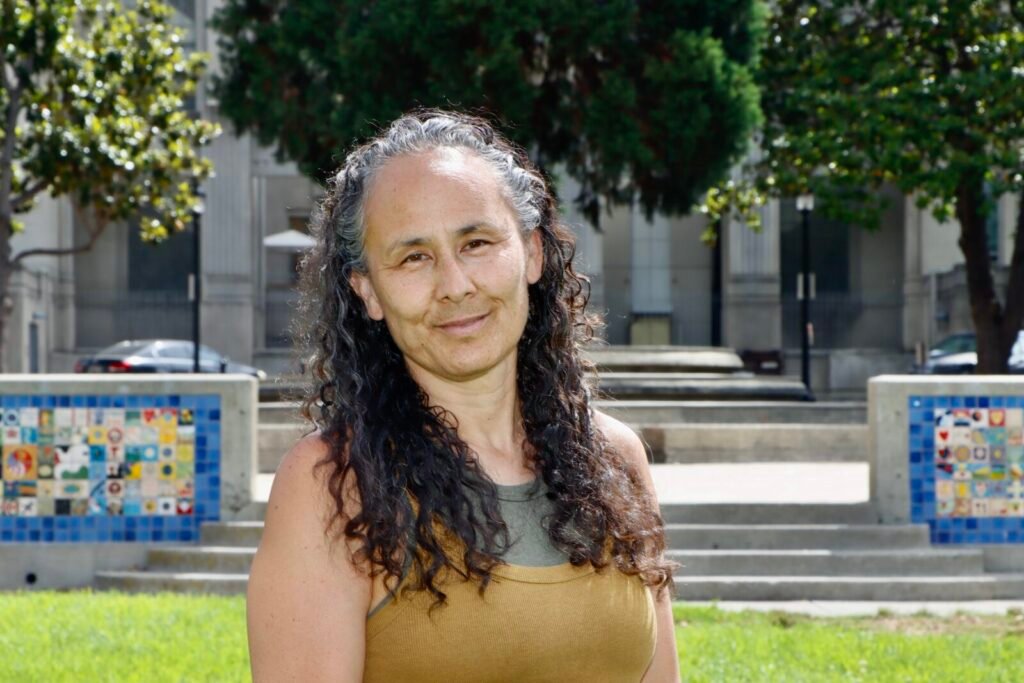
Inequitable structures are embedded systemically in the culture in which we live.
From race to class to gender to age, from privilege to access to everything in-between.
The problem is that leadership has to have the moral fortitude to put the values of humanity first. Every program and/or policy must be scrutinized through the lenses of social justice, equity and the protection of human rights and then created and implemented through them.
And as a special bonus:
City Auditor: Jenny Wong
“I have audited important issues using a social justice lens, such as examining police overtime.”
Equity is one of the core values I brought to the auditor’s office when I began this role in 2018.
I even advocated for all auditors to consider this nationally, and now the auditing standards include this.
I consider social justice, equity, and human rights in all aspects of my work, from the selection of audits to the methodology to recommendations for improvement.
For example, I have audited some of the most important issues in Berkeley government using a social justice lens, such as examining police overtime to pointing out intergenerational equity among street paving across various geographic areas.
Question 2. How will you shift the culture of the city government from one of community exclusion to one of inclusion?
District 1: Moni Gangopadhyay (“Moni G.”)
“Be accessible, Provide information, Focus on common values, Allow for dialogue.”
Be Accessible: If elected, I plan to hold weekly office hours and provide facilitated town halls.
Provide Information: In order for our residents to make informed decisions, we need good data based on facts rather than rhetoric. I will emphasize the production of strong data that is useful for decision-makers and Berkeley residents alike. This data will be developed based on historical context, true baseline conditions, and the needs and interests of the Berkeley community. In contrast to current practice, I will work to ensure this information is provided in centralized, accessible web locations so that people do not have to comb through months of past City Council or Commission agendas to gather documents relevant to the latest agenda item.
Focus on common values. This is something that we could have done with the Hopkins Street proposal had the city (1) conducted a transportation planning study informed by data and (2) framed our goals in terms of our common values instead of promoting a false dichotomy between cyclists and motorists. Whatever our mode of transportation, we all have a common interest in accessibility, safety, and sustainability, I am committed to governing by bringing our community together – we have much more in common than we have differences. At this critical juncture in our political and environmental landscape, we benefit greatly from working collaboratively.
Allow for dialogue: For issues that are highly contentious, I propose gathering small groups of community members with different views in facilitated work sessions to achieve common goals. For Commission and City Council meetings, I propose adding a minimum of ten minutes for a question-and-answer session to allow residents to engage with City Staff, Commissioners and Council members. Our City Staff and decision-makers should have the opportunity to benefit from community input along each stage of policy development, from initiation and preliminary studies to final proposals. Lastly, I would like our City Council to end the practice of last-minute submissions of supplemental (or alternate) materials to agenda items. This practice leaves insufficient time for impacted residents to meaningfully review and respond to these supplementals. I am committed to finding ways to set adequate timelines for the release of public documents that allow for due process.
If elected, I plan to serve the city in a manner that is inclusive, that generates constructive dialogue, and advances our City’s trajectory towards greater equity, sustainability, and excellence.
District 1: Daria Wrubel
“Engage affected communities before—not after—important decisions are made”
Those who are closest to the problems, are closest to the solutions.
Those voices must be given the most space to be heard and understood. From my years of experience as a family therapist, I know conflict resolution requires more than just listening.
It requires collaboration.
I consider myself the antidote to the top-down imperious culture of the city council.
When I’m elected, I will be bringing the voices of all the communities in my district with me.
Too often, it is the voices of the few that determine the outcomes for the many. When elected officials legislate imperiously away from the considerations of their constituents is where communities become distrustful and angry. That is a culture of governance I will change.
I will make community participation meaningful by engaging affected communities before—not after—important decisions are made.
District 4: Majdi Gaith
“Push real decision making power into the community through processes like community zoning.”
Real inclusion means changing where and how decisions get made. That starts with holding office hours and listening sessions not just downtown or in District 4, but all across the city. It means partnering directly with existing groups and organizations instead of building new city structures that compete with trust already built.
It means tracking and publishing who actually testifies at Council versus who lives in the district, so the gap can’t be ignored. And it means pushing real decision making power into the community through processes like community zoning, so neighborhoods help shape what happens to them. Success should be measured by whether people who’ve historically been left out actually feel heard, not by whether a meeting happened.
Lastly, I will advocate for Objective Key Results and Key Performance Indicators to be publicly facing, so constituents and residents have full transparency into a council member’s office and their work.

District 7: Syrak Micael
See above. Syrak combined his answers to both questions.
District 7: Aidan Hill
“Public comment alone is not inclusion. The goal is participation that can change a decision.”
For me, this starts with People’s Park. In May 2018, UC Berkeley announced plans for student housing, supportive housing, and open space at the park. I joined members of the park community in responding through UC’s Long Range Development Plan process and bringing our concerns to Berkeley’s Housing Advisory Commission. We asked decision-makers to recognize unhoused residents, Food Not Bombs volunteers, gardeners, students, and neighbors as people whose knowledge and rights mattered, not as obstacles to be managed after the important choices had already been made.
The process that followed showed why public comment alone is not inclusion. The Court of Appeal found UC’s environmental review inadequate on student-resident noise and alternative-site analysis. The Legislature then enacted AB 1307, changing the California Environmental Quality Act on those issues, and the California Supreme Court applied the new law in 2024. The Regents are a public corporation with broad constitutional autonomy. That does not place UC beyond public responsibility. It means City leaders must use the authority and leverage they do have early, transparently, and collectively, before choices become irreversible.
On November 6, 2025, the Housing Advisory Commission voted 7-0 to recommend extending existing City funding reservations for four projects. The bundled motion included $14,359,593 for the separate supportive-housing project at 2556 Haste Street. That advisory vote did not approve the UC dorm, close the park, or begin construction; those UC actions preceded it. It recommended keeping $14,359,593 in City funds reserved for the separate building. I attempted to speak with Commissioner Micael and asked that the item be returned for a full public review. I received no response. Members of the park community later asked the commission to reconsider the item. The reviewed commission record shows no reconsideration or dedicated public hearing before the Council acted.
Commissioner Micael later said they had opposed the original development. They did not respond to my request, and the reviewed commission record shows no step by them to seek reconsideration or a dedicated public hearing before the Council acted. I consider that hypocrisy. That is my judgment about the record, not a claim about their private motives. Inclusion cannot mean hearing objections after meaningful choices have narrowed while leaving the decision and its consequences beyond review.
When elected, I will use the office differently. I will meet with affected communities before staff recommendations and votes are finalized, publish plain-language timelines and decision points, respond in writing to requests for review, explain my votes, and document what residents asked for and what changed because they participated. Where the rules allow, I will seek reconsideration or ask the Council to refer an item back for further review. Where City authority is limited, I will pursue written agreements, public conditions, and continuing accountability instead of pretending the Council has a power it does not. The goal is not simply more opportunities to speak. It is participation that can change a decision, followed by a public record of who listened, what changed, and who remains responsible.
Editor’s Note: Because Aidan Hill’s response directly mentions candidate Syrak Micael, Berkeley Speaks offered Syrak the opportunity to reply. Here is his reply:
I 100% stand by my vote at the Housing Commission to maintain City funding for permanent supportive housing for the homeless. At that point, People’s Park had been closed and construction had begun. The choice before us was whether the project should be exclusively student housing, or if housing for the homeless should be included. I challenge anyone to present a good reason to revoke City funding at that stage, eliminating any prospect of homeless housing moving forward at the site.
There was no reason for the HAC to reconsider our vote. The meeting where we voted to maintain the funding was publicly noticed and open for public comment, as are all commission meetings. We voted unanimously to extend the funding. I still do not understand what would be gained by denying the funding, or by reconsidering our decision. I have no idea what “hypocrisy” is being referred to.
Finally, I did not “later said {I} had opposed the original development.” I was openly opposed to the attacks on People’s Park when I first ran for ASUC Transfer representative, and have held that position consistently. Any assertions to the contrary are simply lies about my record and an attempt to distract from the real issues of this campaign.
District 8: Michael Wallman
“The City must proactively go out into the neighborhoods so that civic participation is open to everyone.”
Shifting Berkeley’s culture from exclusion to inclusion requires treating accessibility and collaboration as core municipal infrastructure, not afterthoughts.
First, modernize how we communicate and convene. City Council meetings and public processes must be fully accessible—offering robust online access, live captioning, automated translation, and high-quality graphics that make complex policies digestible for every resident.
Second, re-architect our policy pipeline. Commissions should function as rigorous bodies of industry and global experts. Before an item hits the agenda—unless it is an emergency—it must undergo thorough peer and commission review, with communities given weeks to evaluate proposals. We also need secure, asynchronous digital channels for public comment that don’t require standing at a microphone at midnight.
Finally, we must track accountability. We should implement a transparent ‘comment log’ for major initiatives—like a Middle Housing Ordinance—where every revision links directly back to public feedback or new data. And crucially, we must invert our approach to outreach: instead of waiting for residents to come to City Hall, the City must proactively go out into the neighborhoods so that civic participation is open to everyone, not just those with the privilege of time.
District 8: Mari Mendonca
“Model the actions and values that are important to uphold.”
The most effective way to create a shift is to model the actions and values that are important to uphold. We live in a culture that influences people to conform by making you think that it is impossible to stay true to integrity and moral values.
Additionally, there tends to be an insidious nature of influence that works to pit people and issues against each other by presenting us with limited options. To be inclusive, we must take the time and impart the humility that is needed to take care of one and all.

City Auditor: Jenny Wong
“We found that low morale was a key driver of high staff turnover. We created a whistleblower program to report issues of fraud, waste and abuse.”
Transparency is part of our mission statement. Not only do we publish our reports to the public, we make the effort to ensure that it is easy to read and digestible.
To further increase transparency, I launched a public portal that posts the status of each outstanding audit recommendation. This helps to ensure accountability for improvements agreed to by management on our audits.
Another major piece of work I initiated and completed this last term was an audit of the recruitment and retention of city employees. Seeing a pattern of high staff vacancies, I conducted a comprehensive review of staffing across all city departments. We found that morale was low and identified one of the key drivers of high turnover during that time.
Many employees came to talk to our office confidentially. Knowing my office could provide that kind of support eventually led us to create a whistleblower program for staff to report issues of fraud, waste and abuse. We hope to expand this program and continue to provide an avenue for employees to report these issues.
